

The tragic house fire in Somers that claimed the lives of four children has me shaken to the core. Although the cause of the Somers fire has not yet been revealed, my initial thought was that it may be related to a heater or overloaded electrical outlet.
 With the temperature plunging more than ten degrees below freezing (20 degrees at 6 a.m.) I know that people will be doing whatever they can to stay warm. The UI, and SCG warn that fire risk, carbon monoxide poisoning, exposure, and other hazards can increase during bitterly cold weather. They urge customers to take measures to remain safe during the cold snap.
Staying Warm
If you are unable to keep your home safely and comfortably heated, call Infoline at 211 for resources that can help you and your family.
Exposure to extreme cold can cause serious medical conditions including hypothermia and frostbite. To avoid them, stay indoors if possible and wear warm clothing, including head covering and gloves or mittens. This is when a KN95 mask that you bought during the Covid pandemic will come in handy, it’ll help keep your face warm if you have to go outside, and you’ll be able to breathe while wearing it.
For information about frostbite, hypothermia, and other concerns, visit the U.S. Centers for Disease Control and Prevention at https://www.cdc.gov/disasters/
Fire and Carbon Monoxide Detectors
Fire and carbon monoxide poisoning incidents rise during cold weather, as a result of malfunctioning appliances, poor ventilation, and improper use of heat sources. Place smoke and carbon monoxide alarms on every level of your home, outside of sleeping areas and inside each bedroom. Test smoke and carbon monoxide detectors monthly to make sure the batteries are working, and replace the batteries at least twice a year.
Carbon monoxide (CO) is an odorless, colorless, tasteless toxic gas. It is a product of fuel combustion, and a buildup can result from a furnace or space heater problem. Symptoms of CO poisoning can mimic flu.
For more information about fire and carbon monoxide dangers, visit the National Fire Protection Association: https://www.nfpa.org/Public-
Stove and Range
The stove, range, and other kitchen appliances are designed for cooking. Do not use them to heat your home. Use them only as specified in the manufacturer’s instructions.
Space Heaters
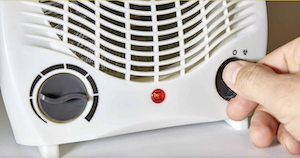
Use only space heaters that have been tested and certified by a nationally recognized testing laboratory. Read and follow the manufacturer’s instructions, and never use a device designed for outdoor use indoors.
• Place the space heater on a level surface away from foot traffic, at least 3 feet from combustible materials.
• Inspect the cord for fraying, and after plugging it in, periodically feel the cord near the outlet to make sure the plastic is not getting hot.
• Do not run the cord under a rug or carpeting, and never use an extension cord for a space heater.
• Keep children and pets away, and turn off the space heater when you leave the area.
More space heater safety information can be found on the U.S. Department of Energy website, at https://energy.gov/
Heating, Hot Water, and Plumbing
Keep the furnace area clear of flammable materials and keep vents clear to provide a good air supply to your heating system to ensure proper combustion.
Water pipes that are exposed to cold temperatures may freeze and burst. Don’t ignore drips or odd noises from your heating system — call your heating company to investigate. Wrap exposed pipes in your basement with pipe insulation to help them retain heat.
The American Red Cross offers additional tips for avoiding frozen pipes at https://www.redcross.org/